Most people assume that once someone gets sentenced, the system takes care of the rest.
It doesn’t. Not automatically. Not without someone following up.
What Utah Changed — and Why It Mattered
About eight years ago, Utah made a significant shift in how the state approaches criminal justice. The focus moved away from just putting people behind bars and toward actually treating the root problems — addiction, mental health, anger, behavior patterns that keep landing people back in the system.
It was the right call. But a policy change at the state level doesn’t mean anything if counties don’t build something real to back it up.
The Gap Nobody Was Filling
When a judge in Wasatch County sentences someone, that order can include drug testing, counseling, therapy, anger management classes, AA meetings, and more. All of it court-ordered. All of it required.
But here’s the question nobody was asking: who actually makes sure it happens?
Without someone following up, court orders become suggestions. People skip classes. They miss drug tests. They don’t show up to counseling. And eventually they’re back in front of a judge — or back doing harm in the community — and the cycle starts over.
That gap was costing Wasatch County families. Not in some abstract policy sense. In real, lived consequences for people living right here in Heber City, Midway, and across the valley.
What Sheriff Rigby Built
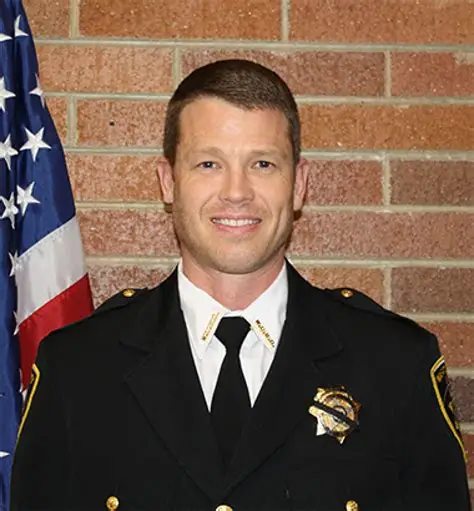
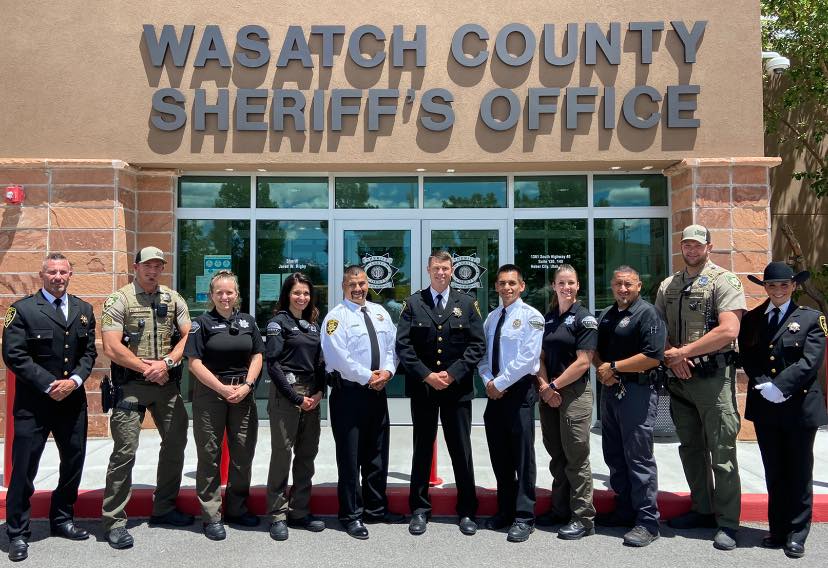
Sheriff Rigby created a county probation program and put two dedicated deputies behind it — their sole job is to follow up with people who have been sentenced and make sure they’re completing everything the court required.
Not occasionally. Consistently. With accountability.
But it didn’t stop there. The office recently expanded the program to include pre-trial services — meaning that from the moment someone is arrested, not just after they’re sentenced, there’s an opportunity to get them into treatment early. Drug testing, counseling, classes — available before a judge ever issues a formal order.
The earlier someone gets help, the better the odds it actually sticks.
Why This Matters to You
This isn’t just about being soft or being tough on crime. It’s about being smart. A person who completes treatment, stays clean, and breaks the cycle doesn’t end up back in the Wasatch County jail. They don’t end up back in your neighborhood causing harm. They become a functioning member of a community that we all share.
And the ones who don’t follow through? The deputies know. And there are consequences.
What Still Needs to Happen
The program is working — but it’s still growing. The goal going forward is to expand these services to juveniles, getting young people the help they need before patterns become permanent. And to build out the elderly protection side, where fraud and abuse cases often go unaddressed until it’s too late.
The foundation is in place. Now it’s about making it bigger, more consistent, and more effective for every corner of Wasatch County.
Because a safer county isn’t just about arresting people. It’s about making sure fewer people need to be arrested in the first place.
Sheriff Jared Rigby is running for re-election as Wasatch County Sheriff. See his full plan at sheriffjaredrigby.org.