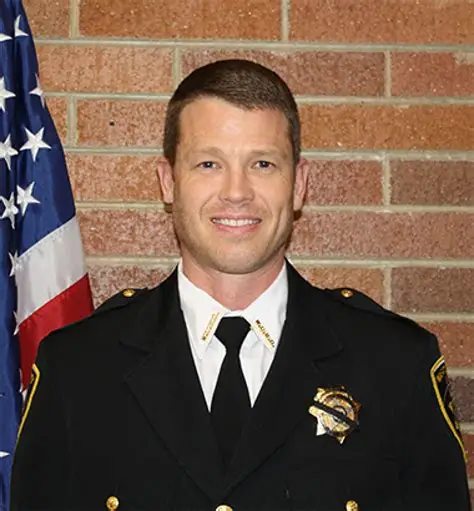

When a wildfire breaks out on the ridge above Heber City, when the Provo River starts pushing its banks, when the ground shakes and people don’t know whether to stay or go — there’s one person legally responsible for what happens next.
That person is the sheriff.
Most People Don’t Know This
It surprises a lot of people. Wildfires feel like a fire department problem. Floods feel like a county engineering problem. But in Utah, the law places emergency management squarely on the sheriff’s office.
And there’s a good reason for that.
When a disaster forces people out of their homes — out of neighborhoods they’ve lived in for decades, off properties that have been in their families for generations — they don’t want an appointed bureaucrat making that call. They want someone who is accountable to them. Someone they voted for. Someone who lives here too.
What Wasatch County Was Working With
Before Sheriff Rigby made changes, emergency management wasn’t treated as a command-level priority. It existed, but it wasn’t built out the way a county with four reservoirs, active wildfire risk, and earthquake fault lines needed it to be.
Wasatch County isn’t a hypothetical risk environment. Fires move through these canyons. The Provo River floods. These aren’t worst-case scenarios — they’re things that have already happened and will happen again.
What Sheriff Rigby Built
Sheriff Rigby elevated the emergency management director to a lieutenant-level position — meaning it’s now part of the command staff, not an afterthought. That position is held by a senior, experienced officer with the authority and resources to act fast when something happens.
From there, the office developed comprehensive disaster plans covering wildfires, floods, earthquakes, and other emergencies specific to Wasatch County. Not generic templates pulled from a state website — actual plans built around our canyons, our reservoirs, our roads, and our communities.
And then they took it further. The sheriff’s office began working directly with Heber City, Midway, and other towns across the county to help them build their own emergency preparedness plans — at no cost to those communities.
Why That Last Part Matters
A lot of the smaller towns and communities in Wasatch County don’t have the staff or resources to build a serious disaster plan on their own. By having the sheriff’s office step in as a resource, those communities aren’t left figuring it out when something actually happens.
When the ridge above your neighborhood starts burning, you want to know that someone already thought through the evacuation route, already coordinated with the right agencies, and already has a plan in motion before the first call comes in.
The Work Continues
As Wasatch County keeps growing — new developments pushing further into the foothills, more families living in areas with real exposure to fire and flood risk — the emergency management program has to grow with it.
Sheriff Rigby’s plan for the next term is to keep strengthening those community partnerships, update plans as the county changes, and make sure that every city and town in Wasatch County has what it needs to respond when something goes wrong.
Because in a place like this, it’s not a matter of if. It’s a matter of when — and whether we’re ready.
Sheriff Jared Rigby is running for re-election as Wasatch County Sheriff. See his full plan at sheriffjaredrigby.org.